What Is the Water Damage Restoration Process?
The water damage restoration process is a systematic series of steps designed to extract standing water, dry affected materials, prevent mold growth, and return your property to pre-loss condition. Unlike simple cleanup, professional restoration follows IICRC S500 standardsa science-based protocol that ensures thorough drying and proper documentation. Whether you're dealing with a burst pipe in Wichita or storm flooding in Butler County, understanding each phase helps you know what to expect and evaluate whether your contractor is doing the job right. Good To Be Clean is IICRC certified and follows this proven process on every project, from initial contact through final clearance. This guide walks you through each step, the equipment involved, and how professionals confirm the job is truly complete.
The Five Core Steps in Water Damage Restoration
Professional water damage restoration follows a structured sequence, not random cleanup. Here's what happens from the moment you call:
Step 1: Emergency Contact and Initial Assessment. When you call, a qualified technician gathers information about the water source, affected areas, and safety concerns. They arrive onsite to assess the category of water (clean, gray, or black), the class of loss (how much material is affected), and any immediate hazards like electrical issues or structural instability.
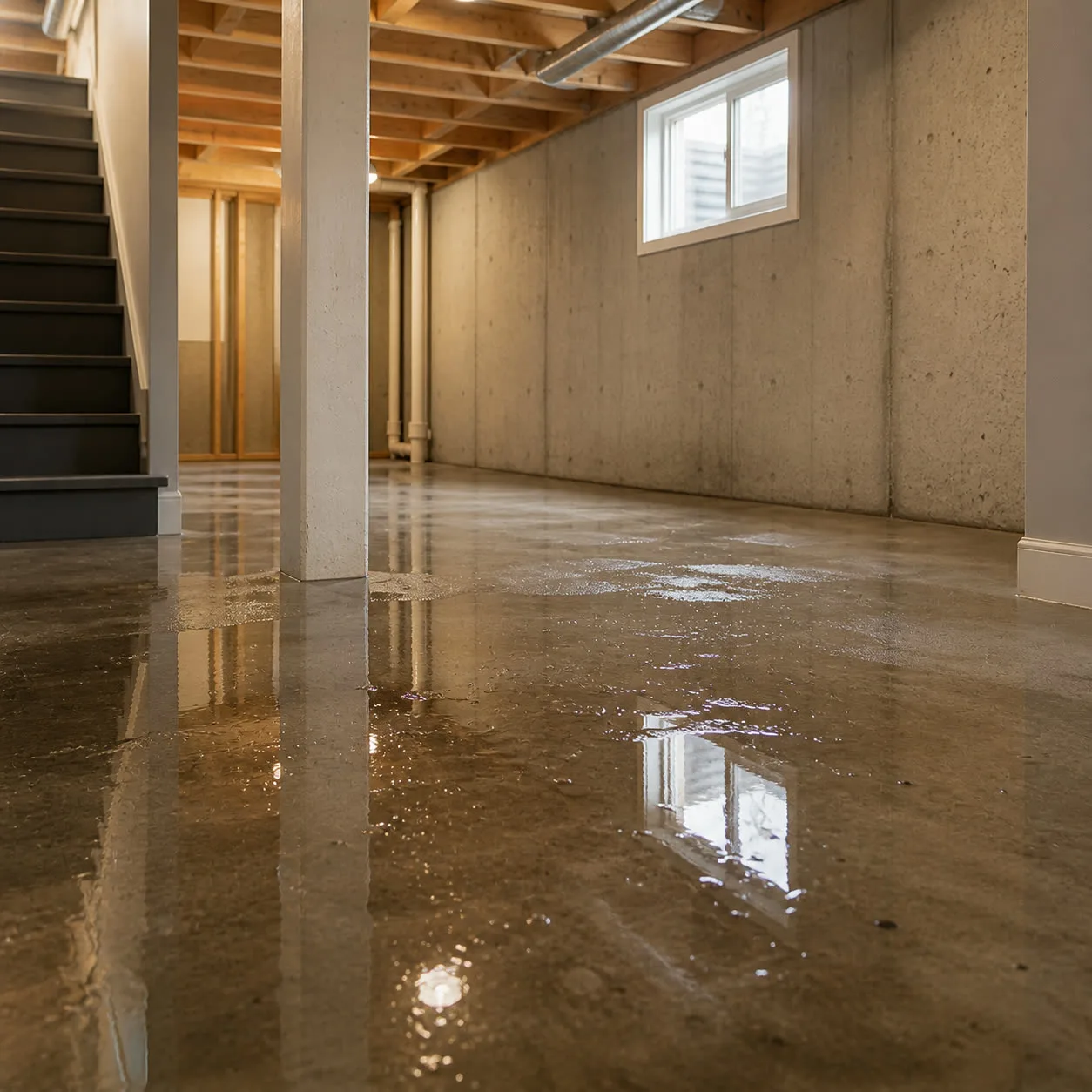
Step 2: Water Extraction. Powerful truck-mounted or portable extractors remove standing water. The goal is to eliminate bulk water quicklyideally within 2448 hoursto minimize secondary damage and microbial growth. Technicians use weighted extractors on carpets and submersible pumps for deep water.
Step 3: Drying and Dehumidification. This is where the water damage drying process becomes scientific. Air movers and commercial dehumidifiers create controlled evaporation. Technicians don't just "set and forget"they monitor moisture levels daily using moisture meters and thermal imaging to track progress in walls, subfloors, and structural materials.
Step 4: Cleaning and Sanitizing. Affected surfaces are cleaned, and antimicrobial treatments are applied where necessary to prevent mold and odors. Contents may be packed out for specialized cleaning or disposed of if beyond salvage.
Step 5: Restoration and Repairs. Once drying is confirmed complete, reconstruction beginsreplacing drywall, flooring, baseboards, and any materials that were removed. The property is returned to pre-loss condition or better.
What Equipment Is Used and Why It Matters
Professional water damage restoration services rely on specialized equipment that goes far beyond fans and shop vacs. Here's what should be on site:
Air Movers (Axial Fans). These high-velocity fans aren't there to "blow things dry"they increase evaporation rates by moving air across wet surfaces. Proper placement and quantity matter. IICRC standards recommend specific air mover counts based on room size and material saturation.
Commercial Dehumidifiers. Low-grain refrigerant (LGR) dehumidifiers pull moisture from the air far more effectively than household units. Desiccant dehumidifiers are used in colder environments or when extreme drying is needed. Both types work together with air movers to create the ideal drying conditions.
Moisture Detection Tools. Infrared cameras reveal hidden moisture in ceilings and walls. Penetrating and non-invasive moisture meters measure exact moisture content in wood, drywall, and concrete. These tools are essential for tracking drying progress and proving completion.
Extractors and Pumps. Truck-mounted extractors provide far stronger suction than portable units. Weighted wands ensure maximum water removal from carpets and padding before drying begins.
If your contractor shows up without moisture meters or doesn't take daily readings, that's a red flag. Proper restoration is data-driven, not guesswork.
How Psychrometric Monitoring Ensures Thorough Drying
Here's where the science separates professionals from amateurs. Psychrometrics is the study of air and moisture relationshipsand it's the backbone of effective drying.
Technicians measure temperature, relative humidity, and grains per pound (GPP) to calculate the vapor pressure deficit. This tells them how much moisture the air can still absorb and whether drying conditions are optimal. Daily psychrometric logs track trends and guide equipment adjustments.
Why does this matter? Because materials don't just need to feel drythey need to reach specific moisture content thresholds. For example, wood framing should return to 1215% moisture content, and drywall to under 1% on a moisture meter scale. Without monitoring, you risk trapped moisture that leads to mold, rot, and odor months later.
Good To Be Clean documents every reading and provides homeowners with detailed drying logs. This isn't just good practiceit's often required by insurance companies and ensures the job meets IICRC S500 standards for water damage restoration.
Timeline: How Long Does Water Damage Restoration Take?
Most residential water damage projects take 37 days for complete drying, though timelines vary based on several factors:
- Extent of saturation: A small supply line leak dries faster than a flooded basement.
- Materials affected: Hardwood and plaster hold moisture longer than carpet and drywall.
- Environmental conditions: High humidity or cold temperatures slow evaporation.
- Water category: Clean water from a supply line requires less intervention than contaminated floodwater.
Extraction happens day one. Drying equipment runs 24/7, with daily monitoring until moisture readings meet dry standards. Reconstruction adds timeminor repairs may take a few days, while major rebuilds can extend weeks.
If you're in El Dorado or Augusta, response time matters. Our team provides rapid water damage restoration in El Dorado and water damage restoration in Augusta KS, minimizing delays that worsen damage and extend timelines.
What to Expect When You Call a Wichita Restoration Company
Wichita's climatehot summers, cold winters, and spring storm seasoncreates unique water damage risks. Frozen pipes, hail-damaged roofs, and flash flooding are common culprits across the metro and Butler County.
When you call Good To Be Clean at (316) 320-6767, here's what happens: You'll speak with a trained team member who asks targeted questions about the water source and damage extent. We dispatch a technician, often within hours, to assess the situation and begin emergency mitigation. From there, we handle insurance documentation, daily monitoring, and communication every step of the way.
Our IICRC certification means we're trained in the latest standards and equipped to handle everything from small residential leaks to large commercial losses. You're not getting a crew with rental equipmentyou're getting professionals who understand the water damage restoration steps inside and out.
Frequently Asked
Questions
What are the steps in water damage restoration?
The water damage restoration process includes five key steps: initial assessment to identify water source and damage class, water extraction using commercial-grade equipment, controlled drying with air movers and dehumidifiers, cleaning and antimicrobial treatment of affected areas, and final restoration or reconstruction. Each phase is documented with moisture readings and photos to ensure thoroughness and meet insurance requirements.
How long does the water damage restoration process take?
Most water damage drying takes 37 days, depending on the extent of saturation, materials affected, and environmental conditions. Extraction begins immediately, and drying equipment runs continuously with daily monitoring. Minor reconstruction adds a few days, while extensive rebuilds may take several weeks. Category 3 (contaminated) water or structural damage can extend the timeline.
What equipment is used in water damage restoration?
Professional restoration uses air movers to accelerate evaporation, commercial LGR or desiccant dehumidifiers to remove airborne moisture, truck-mounted or portable water extractors, moisture meters and infrared cameras to detect hidden water, and specialized cleaning tools. IICRC-certified technicians calibrate and position equipment based on psychrometric data, not guesswork, ensuring optimal drying conditions.
How do you know when water damage restoration is complete?
Restoration is complete when moisture readings in affected materials return to dry standardstypically 1215% for wood framing and under 1% for drywall on a moisture meter scale. Technicians take final psychrometric readings and compare them to baseline measurements. You should receive documentation showing these readings, confirming materials have reached equilibrium moisture content and won't support mold growth.
What is psychrometric monitoring in water damage restoration?
Psychrometric monitoring measures temperature, relative humidity, and grains per pound of moisture in the air to calculate drying potential. Technicians use this data to optimize equipment placement and confirm materials are drying properly. Daily logs track trends and prove to insurance carriers that drying meets IICRC S500 standards. It's the scientific method that ensures thorough, verifiable results rather than visual guesswork.
Ready to Start the Restoration Process?
If you're dealing with water damage, time mattersand so does the quality of the restoration work. Good To Be Clean brings IICRC-certified expertise, professional-grade equipment, and transparent documentation to every project across Wichita, Butler County, and south-central Kansas. We don't cut corners or leave moisture behind. From the first call through final clearance, you'll know exactly what's happening and why. Call (316) 320-6767 or visit our water damage restoration services page to get started. We're here to help you through every step of the process.
For water damage restoration in Wichita, call (316) 320-6767 right now. We also provide mold remediation, air duct cleaning, carpet cleaning, soda blasting, and vapor barrier installation throughout Wichita and Sedgwick County.