
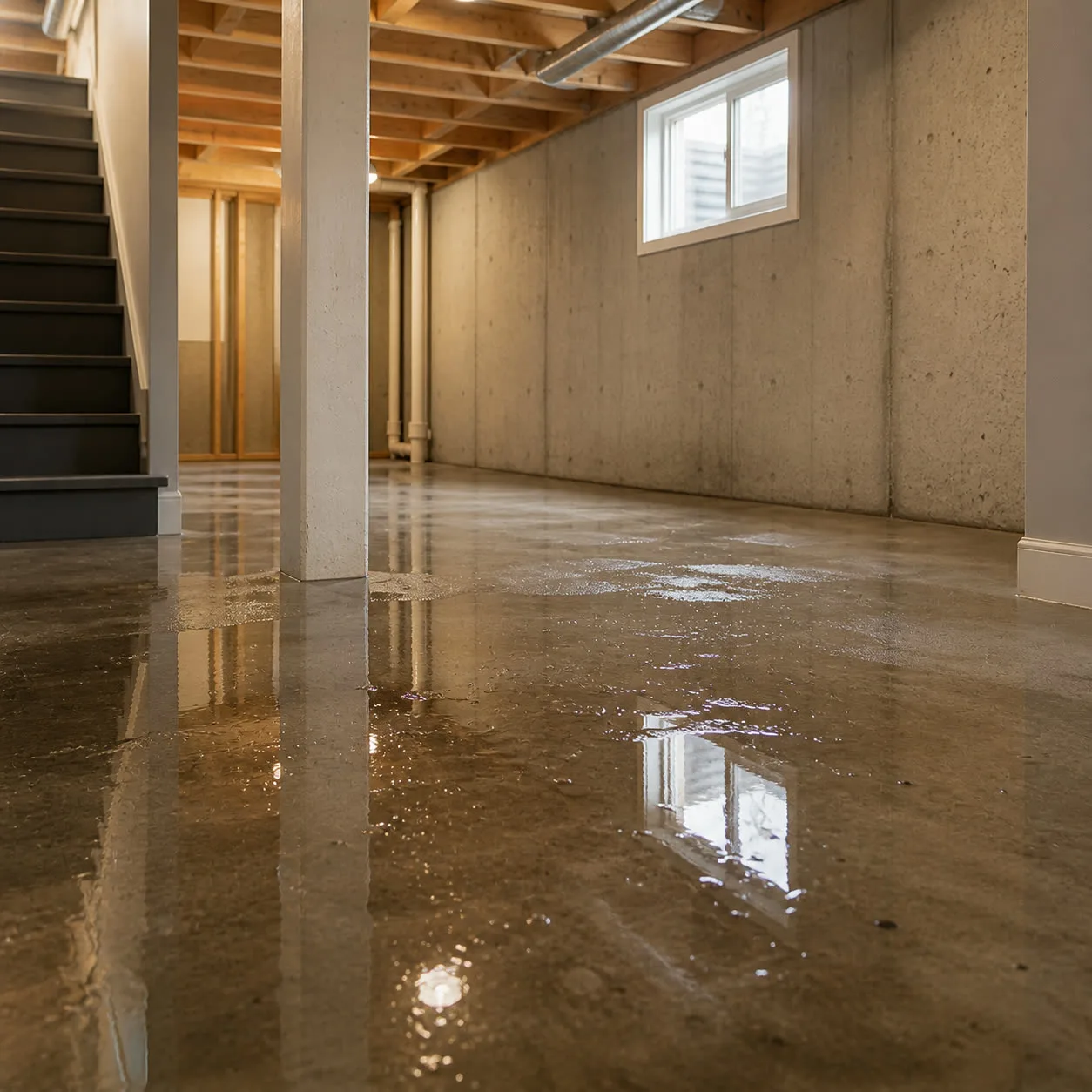
What Does Residential Water Damage Restoration Involve for Homeowners?
If you're reading this, you're likely dealing with water where it doesn't belongor trying to understand what comes next after a flood, burst pipe, or appliance failure. Residential water damage restoration is the complete process of removing standing water, drying affected materials, repairing structural damage, and restoring your home to its pre-loss condition. For homeowners across Wichita and south-central Kansas, understanding this process helps you make informed decisions quickly, especially when working with insurance adjusters and restoration contractors. As an IICRC-certified restoration company, Good To Be Clean has guided hundreds of homeowners through every phase of recovery. This post walks you through what to expect, from the emergency call to final documentation.
What Causes Water Damage in Kansas Homes?
Water damage in residential properties stems from several common sources, many of which are specific to our climate and housing stock in Kansas. Burst pipes during winter freezes are among the most frequent culpritswhen temperatures drop suddenly, uninsulated pipes in attics, crawl spaces, or exterior walls can rupture and flood multiple rooms before anyone notices. Appliance failures are equally common: washing machine hoses that crack after years of use, water heaters that fail and dump 40+ gallons onto your floor, and dishwashers with faulty seals that leak slowly until the subfloor is saturated.
Storm-related water intrusion also affects Kansas homeowners, particularly during severe thunderstorms that overwhelm gutters and drainage systems or drive rain through compromised roofing. HVAC system leaksespecially clogged condensate drainscan quietly saturate ceilings and walls for weeks before visible damage appears. Sump pump failures during heavy rain events leave basements vulnerable to flooding, particularly in older Wichita-area homes without backup systems.
Each source requires a slightly different approach to house water damage restoration, but the core process remains consistent: identify the source, stop the water, extract what's standing, dry what remains, and repair what's damaged.
The Complete Residential Water Damage Restoration Process
Professional home water damage repair follows a structured sequence that addresses both immediate damage and long-term recovery. The process begins the moment you callemergency response teams assess the situation over the phone and dispatch technicians, typically within 6090 minutes for local calls.
Upon arrival, technicians perform a damage assessment that includes identifying the water source, categorizing the water type (clean, gray, or black water), measuring moisture levels in affected materials, and documenting everything with photos and notes for insurance purposes. This initial documentation is critical for your claim.
Next comes water extraction using truck-mounted or portable pumps and wet vacuums to remove standing water from floors, carpets, and padding. Speed matters herethe longer water sits, the more secondary damage occurs. After extraction, industrial dehumidifiers and air movers create controlled drying conditions. Technicians monitor moisture levels daily using thermal imaging cameras and moisture meters, adjusting equipment placement as materials dry.
Once materials reach acceptable moisture levels, the restoration phase begins. This may involve minor repairs like replacing baseboards and drywall sections, or major reconstruction if framing, insulation, or subflooring sustained damage. Throughout this process, reputable water damage restoration services maintain communication with your insurance adjuster, providing documentation and justification for each step taken.
How Long Does Restoration Take and What Does It Cost?
Timeline and cost depend heavily on the extent of damage, materials affected, and how quickly the process begins. A typical residential flood damage scenariosuch as a single bathroom with a failed supply lineoften requires 35 days of drying followed by 23 days of repairs, assuming no complications.
Larger events, like a finished basement flooded by a sump pump failure, may require 710 days of drying and several weeks of reconstruction if flooring, drywall, and insulation need replacement. The critical factor is starting quickly: water damage that sits for 48+ hours dramatically increases the risk of mold growth, which adds complexity, cost, and time to any project.
Most homeowners insurance policies cover sudden and accidental water damage (like burst pipes or appliance failures), though coverage varies for flood events and long-term leaks. Working with restoration professionals who understand insurance documentationlike the approach used in water damage restoration in Derby KS and surrounding communitiesensures you receive proper reimbursement. Expect your contractor to provide a detailed scope of work, moisture readings, and photographic evidence to support your claim.
Residential Water Damage Restoration in the Wichita Area
Homes throughout the Wichita metro face unique vulnerabilities based on age, construction methods, and soil conditions. Many properties built before 1980 have crawl spaces with minimal moisture barriers, making them susceptible to humidity-driven damage even without a major water event. The region's clay-heavy soil expands when saturated, putting pressure on foundation walls and creating pathways for water intrusion during heavy rain.
Local restoration companies familiar with these conditionsincluding those providing water damage restoration in Bel Aire KSadjust their approach based on construction type and known vulnerabilities. For example, homes with finished basements in south-central Kansas often require special attention to ensure proper drying behind wall cavities, where trapped moisture can persist for weeks if not addressed with thermal imaging and strategic removal of materials.
Understanding these regional factors helps homeowners ask better questions when vetting restoration contractors and ensures the work addresses not just visible damage, but underlying moisture issues specific to Kansas construction.
Frequently Asked
Questions
What causes water damage in homes?
Water damage in homes is most commonly caused by burst pipes during freezing temperatures, failed appliances (water heaters, washing machines, dishwashers), roof leaks during storms, clogged HVAC condensate drains, and sump pump failures. Slow leaks from plumbing connections, toilet seals, and deteriorated supply lines also cause significant damage over time. Each source requires prompt shutoff and professional assessment to prevent ongoing damage.
How do you restore a water-damaged home?
Residential water damage restoration begins with stopping the water source, followed by emergency extraction of standing water using pumps and vacuums. Technicians then place dehumidifiers and air movers to dry affected materials while monitoring moisture levels daily with specialized meters. Once dry, damaged materials are repaired or replaced, and antimicrobial treatments are applied if needed. The entire process is documented for insurance purposes.
How long does it take to restore a water-damaged house?
Most residential water damage restoration takes 310 days for drying, depending on the extent of saturation and materials affected. Small incidents may dry in 34 days, while significant flooding can require 710 days. Reconstruction after drying adds additional timeminor repairs take 23 days, while extensive rebuilding may require several weeks. Starting the process within 2448 hours significantly reduces overall restoration time.
What should I do first when my house floods?
First, ensure safetyturn off electricity to affected areas if you can do so safely, and avoid standing water if electrical outlets or appliances are submerged. Stop the water source if possible (shut off main water valve for plumbing failures). Contact a professional restoration company immediately, then document damage with photos for insurance before moving belongings. Do not delayevery hour increases damage severity and restoration costs.
Can you restore water-damaged walls?
Yes, water-damaged walls can often be restored if addressed quickly. Drywall that's been wet for less than 48 hours can sometimes be dried and saved, though the bottom two feet is typically replaced as a precaution. If water contains contaminants or if walls stayed wet long enough for mold growth, affected drywall and insulation must be removed and replaced. Professional moisture testing determines which materials can be saved versus which require replacement.
Ready to Restore Your Home After Water Damage?
Water damage doesn't wait, and neither should you. Whether you're dealing with a burst pipe, appliance failure, or storm-related flooding, Good To Be Clean provides IICRC-certified residential water damage restoration throughout the Wichita metro, Butler County, and surrounding south-central Kansas communities. Our team responds quickly, works directly with your insurance adjuster, and follows proven protocols to dry and restore your home properly the first time.
If you're facing water damage right now, call (316) 320-6767 for immediate response. For more information about our complete restoration process and service areas, visit our water damage restoration services page.
For water damage restoration in Wichita, call (316) 320-6767 right now. We also provide mold remediation, air duct cleaning, carpet cleaning, soda blasting, and vapor barrier installation throughout Wichita and Sedgwick County.