Mold Removal: What It Is, When You Need It, and How It Works
If you've found mold in your home or business, you're probably wondering what it takes to get rid of itand whether you can handle it yourself. Mold removal is the process of eliminating mold growth from indoor surfaces and materials, but the approach depends entirely on how much mold you're dealing with and where it's growing. In south-central Kansas, where humidity spikes and aging infrastructure can create perfect conditions for growth, understanding the difference between a quick cleanup and professional mold remediation can save you time, money, and health problems down the road. Good To Be Clean is IICRC Certified and has helped countless Wichita-area property owners navigate this exact situation. This guide breaks down what mold removal actually involves, when you can DIY, when to call a pro, and what to expect from certified remediation.
What Mold Removal Actually Means
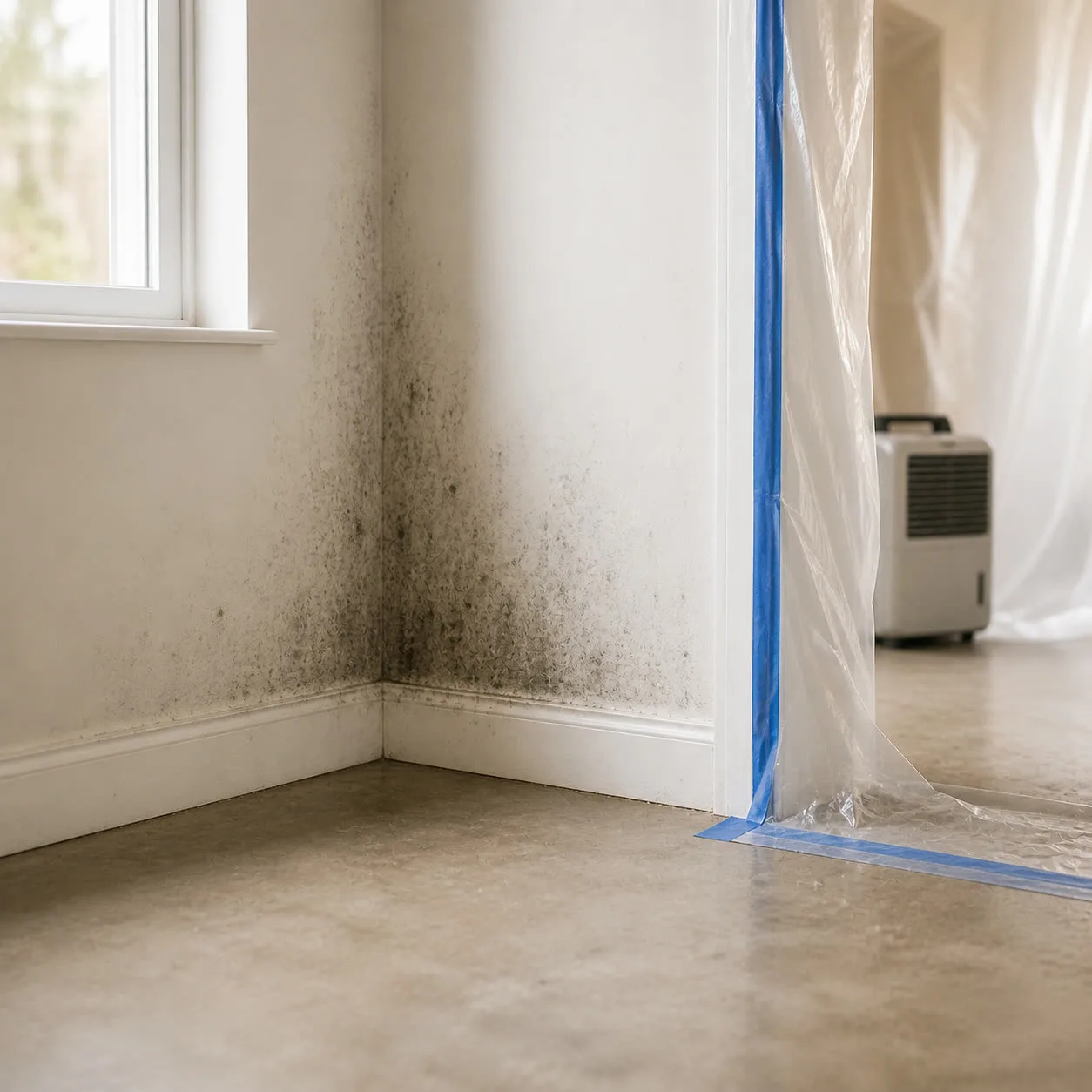
Mold removal refers to physically cleaning or removing mold from surfaces and materials inside a building. It can range from wiping down a small patch of surface mold on a bathroom tile to completely removing drywall, insulation, and flooring contaminated by black mold after a water intrusion event. The key distinction here is scope: small, surface-level mold on non-porous materials like tile or glass can often be cleaned with household products. But once mold penetrates porous materials like drywall, wood, or carpetor once it spreads beyond a roughly 10-square-foot areayou're no longer dealing with simple cleaning. You're dealing with contamination that requires containment, air filtration, and proper disposal. This is where professional mold removal becomes mold remediation, a regulated process guided by industry standards like the IICRC S520, which dictates how certified technicians assess, contain, remove, and prevent mold from returning.
The Difference Between Mold Removal and Mold Remediation
These terms are often used interchangeably, but they mean different things. Mold removal is exactly what it sounds like: getting rid of visible mold. Mold remediation, on the other hand, is a comprehensive process that goes beyond surface cleaning to address the source of moisture, restore indoor air quality, and prevent future growth. Remediation includes containment (sealing off affected areas), air filtration with HEPA equipment, removal of contaminated materials, antimicrobial treatment, and post-remediation verification. It's the standard approach for any mold problem caused by flooding, sewage backups, long-term leaks, or hidden moisture behind walls. If you're dealing with black mold removal or mold in HVAC systems, remediation is non-negotiable. A certified company offering mold remediation services will follow the S520 protocol to ensure the job is done safely and completelynot just cosmetically. DIY mold removal doesn't account for airborne spores, cross-contamination, or underlying moisture issues, which is why surface cleaning alone often leads to regrowth within weeks.
When You Can Handle Mold Yourselfand When You Can't
If the moldy area is smaller than 10 square feet, it's on a non-porous surface, and there's no underlying water damage, you can probably handle it with a bleach solution or commercial mold cleaner. Think: a small patch on a shower wall or around a window sill. Wear gloves, ventilate the area, scrub thoroughly, and dry completely. But if any of the following apply, stop and call a professional: the mold covers more than 10 square feet, it's growing on drywall or insulation, it appeared after a flood or sewage backup, it's in your HVAC system, or you're immunocompromised. Mold remediation cost varies depending on the size and severity of contamination, but it's a fraction of what you'll pay in medical bills or structural repairs if the problem spreads. In Kansas, where basements and crawl spaces are common, hidden mold behind finished walls is more common than most homeowners realize. Good To Be Clean uses moisture meters and thermal imaging to find what you can't see, which is why mold remediation in Wichita often uncovers issues that started months before the visible signs appeared.
What to Expect from Professional Mold Removal in
South-Central Kansas
Professional mold removal begins with an assessment. A certified technician will identify the type and extent of mold, locate moisture sources, and determine whether remediation is needed. If it is, the process typically includes setting up containment barriers and negative air pressure to prevent spores from spreading, removing and disposing of contaminated materials, treating surfaces with antimicrobial agents, and using HEPA air scrubbers to filter the air. The timeline depends on the scopeminor jobs may take one to two days, while extensive remediation in a flooded basement could take a week or more. Cost depends on square footage, materials affected, and labor, but transparency is key. A reputable company will provide a detailed scope of work before starting. Whether you're in Wichita, El Dorado, or surrounding Butler County communities, choosing an IICRC Certified provider ensures the work meets national standards. If you're comparing quotes for mold remediation in El Dorado, ask whether the company follows S520 protocol and what's included in the pricesome cut corners on air filtration or skip moisture testing entirely.
Frequently Asked
Questions
How do you remove mold permanently?
Permanent mold removal requires eliminating both the mold and the moisture source. Surface cleaning alone won't work if the underlying causelike a leaky pipe, poor ventilation, or foundation seepageisn't fixed. Professional remediation addresses contamination and moisture together, often including dehumidification, improved drainage, or HVAC adjustments. Without moisture control, mold will return regardless of how thoroughly it's cleaned.
What kills mold instantly?
Bleach, hydrogen peroxide, and commercial antimicrobial sprays can kill surface mold on non-porous materials like tile or glass within minutes. However, "killing" mold doesn't remove itdead spores can still cause allergic reactions and discoloration. More importantly, these products don't penetrate porous materials like drywall or wood, where mold roots (hyphae) embed. Professional mold removal uses EPA-registered antimicrobials designed for deeper treatment and safe application.
What is the difference between mold removal and mold remediation?
Mold removal refers to cleaning or eliminating visible mold from surfaces. Mold remediation is a broader process that includes containment, air filtration, removing contaminated materials, treating affected areas, and addressing moisture sources to prevent recurrence. Remediation follows industry standards like IICRC S520 and is required for larger or more severe contamination, particularly after water damage events.
Can I remove mold myself?
You can handle small areas of mold (less than 10 square feet) on non-porous surfaces if there's no underlying water damage. Use proper ventilation, protective gear, and appropriate cleaners. However, DIY is not recommended for black mold removal, mold in HVAC systems, contamination after flooding, or mold on porous materials like drywall. Improper handling can spread spores and worsen the problem.
How long does professional mold removal take?
Professional mold removal typically takes one to three days for small to moderate jobs, but extensive remediationespecially after flooding or in large commercial spacescan take a week or longer. The timeline depends on the size of the affected area, the materials involved, drying time, and whether reconstruction is needed. A certified technician will provide an estimated timeline during the initial assessment.
Ready to Handle Your Mold Problem the Right Way?
Mold doesn't go away on its own, and cutting corners on removal can lead to bigger problems down the road. If you're dealing with mold in your Wichita-area home or business and need honest guidance on whether you need professional help, Good To Be Clean is here to answer your questions. Our IICRC Certified team follows the S520 standard on every job, and we'll walk you through the entire processassessment, remediation, and prevention. Call (316) 320-6767 or visit our mold remediation services page to schedule an inspection. We serve Wichita, Butler County, and surrounding south-central Kansas communities with the same no-fluff, professional approach you'd expect from a locally trusted restoration company.
For water damage restoration in Wichita, call (316) 320-6767 right now. We also provide mold remediation, air duct cleaning, carpet cleaning, soda blasting, and vapor barrier installation throughout Wichita and Sedgwick County.