What Does a Professional Mold Removal Service Do?
If you've discovered mold in your home, you're likely weighing whether to tackle it yourself or call in professionals. A mold removal service does far more than spray bleach and wipe surfacesit involves containment, specialized equipment, antimicrobial treatment, and verification that the problem is truly resolved. In Wichita's humid climate, where basements and crawl spaces are prone to moisture issues, understanding what professional mold remediation actually entails can help you make the right call. Good To Be Clean is IICRC certified and follows strict protocols to ensure mold is removed safely and completely. This post breaks down what a certified mold removal service does, when you need one, and what to expect during the process.
What a Mold Removal Service Actually Does
A professional mold removal service follows a systematic process designed to eliminate mold at its source, prevent cross-contamination, and restore air quality. This isn't about surface-level cleaningit's about addressing the underlying conditions that allowed mold to grow.
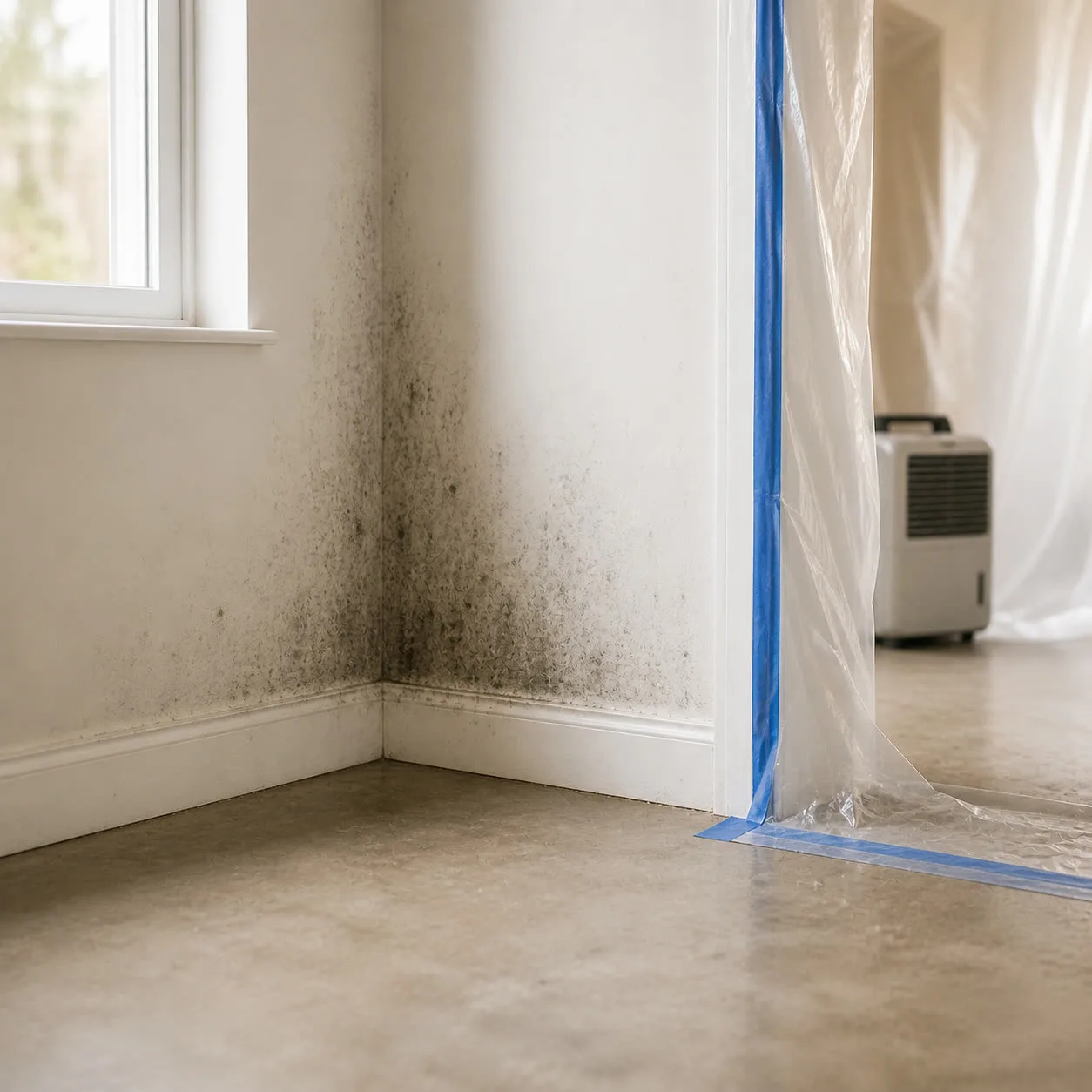
The process starts with containment. Professionals use physical barriers and negative air pressure to isolate the affected area, preventing mold spores from spreading to clean parts of your home during removal. This step alone is something DIY methods can't replicate effectively.
Next comes HEPA filtration. Industrial-grade air scrubbers with HEPA filters capture airborne mold spores during the removal process. These machines cycle the air continuously, trapping microscopic particles that would otherwise settle elsewhere and start new colonies.
After physical removal of contaminated materialsdrywall, insulation, carpetingthe area is treated with antimicrobial and antifungal solutions. These agents kill remaining mold spores and help prevent regrowth. Finally, certified professionals conduct post-remediation verification, often including air quality testing, to confirm the mold has been eliminated and the space is safe for reoccupation. This is the standard our mold remediation services follow on every project.
Why Certification and Training Matter in Professional Mold
Remediation
Not all mold removal companies are created equal. IICRC (Institute of Inspection, Cleaning and Restoration Certification) training ensures technicians understand mold biology, proper containment protocols, safety procedures, and industry standards for remediation.
Certified professionals know how to identify different types of mold, assess the extent of contamination hidden behind walls or under flooring, and determine whether materials can be cleaned or must be removed. They understand the difference between surface mold and systemic growth, and they know when moisture readings indicate ongoing water intrusion that must be addressed to prevent recurrence.
This expertise protects both your property and your health. Improper mold removal can actually make the problem worse by releasing spores into the air or failing to address hidden growth. A certified mold removal company uses containment barriers, personal protective equipment, and documented procedures to ensure the job is done right the first time.
Good To Be Clean's IICRC certification means our technicians have completed rigorous training in mold remediation standards and follow protocols designed to protect your home and family throughout the process.
Mold Removal Cost and What Affects the Price
The cost of professional mold remediation varies based on the extent of contamination, location of the mold, and materials affected. Small, contained areas may cost $500$1,500 to remediate, while extensive mold requiring removal of structural materials can range from $2,000 to $6,000 or more.
Several factors influence mold removal cost:
- Size of the affected area: Larger contamination requires more materials, labor, and time
- Location: Mold in crawl spaces or inside walls is harder to access and remediate than surface growth
- Type of materials: Porous materials like drywall and insulation usually must be removed, while non-porous surfaces can often be cleaned
- Extent of water damage: If ongoing moisture issues must be addressed simultaneously, costs increase
Most reputable companies offer free inspections and detailed estimates before beginning work. This allows you to understand exactly what needs to be done and why. If you're in Butler County or surrounding areas, our team provides transparent assessmentswhether you're dealing with a basement issue in mold remediation in Augusta KS or an attic problem elsewhere in the region.
When Kansas Homeowners Should Call a Certified Mold Removal
Service
While small spots of surface mold on bathroom tile might be handled with household cleaners, certain situations require certified mold removal:
Call a professional if:
- Mold covers more than 10 square feet (roughly a 33 area)
- Mold is inside HVAC systems, which can spread spores throughout your home
- You've had significant water damage from flooding, leaks, or burst pipes
- Mold returns shortly after you've cleaned it, indicating a moisture problem
- Anyone in your home has respiratory issues, allergies, or compromised immunity
- You smell musty odors but can't locate visible mold (it may be hidden)
In south-central Kansas, basements, crawl spaces, and areas affected by storm damage are common problem spots. Our humid summers and temperature swings create ideal conditions for mold growth when moisture is present. Addressing both the mold and its source is essential for long-term resolution.
Communities like Andover have seen their share of storm-related water intrusion over the years. If you're dealing with post-storm mold concerns, mold remediation in Andover KS services can assess damage and provide comprehensive remediation.
Frequently Asked
Questions
What does a mold removal service do?
A mold removal service contains the affected area, removes contaminated materials, treats surfaces with antimicrobial solutions, and uses HEPA filtration to capture airborne spores. The process includes identifying moisture sources, preventing cross-contamination during removal, and verifying through testing that the mold has been fully eliminated and air quality restored.
How much does a mold removal service cost?
Mold removal typically costs between $500 and $6,000 depending on the extent of contamination and materials affected. Small, contained areas cost less, while extensive remediation requiring structural material removal costs more. Most certified companies provide free inspections and detailed estimates before starting work, so you understand exactly what's needed.
Do mold removal services work?
Yes, when performed by certified professionals following IICRC standards. Professional mold remediation addresses both visible growth and airborne spores, removes contaminated materials that can't be salvaged, and treats the area to prevent regrowth. The key is also addressing underlying moisture problemswithout fixing the source, mold will return regardless of removal quality.
How long does mold removal service take?
Most residential mold removal projects take 15 days depending on the extent of contamination. Small, contained areas may be completed in a day, while extensive remediation involving multiple rooms or significant material removal can take a week. The timeline includes containment setup, removal, treatment, drying, and post-remediation verification.
Is mold removal covered by homeowners insurance?
Mold removal may be covered if it results from a covered peril like a burst pipe or storm damage, but not if it's due to long-term neglect or maintenance issues. Most policies cover sudden, accidental water damage but exclude gradual problems. Review your policy and document the cause of water intrusion when filing a claim.
Ready to Address Your Mold Problem?
If you're dealing with mold in your home, don't wait for the problem to spread. Good To Be Clean provides IICRC-certified mold remediation throughout the Wichita metro, Butler County, and surrounding south-central Kansas communities. We follow strict containment protocols, use professional-grade equipment, and verify our work to ensure your home is safe and mold-free.
Call (316) 320-6767 for a free inspection and detailed assessment. Our team will evaluate your situation, explain exactly what needs to be done, and provide a transparent estimate. Visit our mold remediation services page to learn more about our process and how we can help restore your home.
For water damage restoration in Wichita, call (316) 320-6767 right now. We also provide mold remediation, air duct cleaning, carpet cleaning, soda blasting, and vapor barrier installation throughout Wichita and Sedgwick County.