What Does Fire and Smoke Restoration Involve?
Fire and smoke restoration is the comprehensive process of cleaning, deodorizing, and repairing property damage caused by fire, smoke, soot, and the water used to extinguish flames. Even a small fire can leave behind pervasive smoke odor, corrosive soot residue, and water damage that reaches far beyond the visible burn area. This specialized restoration addresses all layers of damagefrom surface cleaning to structural repairsand requires professional-grade equipment, techniques, and expertise.
In Wichita and across south-central Kansas, residential and commercial fires often produce more hidden damage than property owners initially realize. That's why IICRC-certified restoration professionals assess the full scope before beginning work. This guide walks through what fire and smoke restoration covers, how long it takes, what insurance typically pays for, and why the difference between fire damage and smoke damage matters for your recovery.
Why Smoke Damage Is More Extensive Than Most People Realize
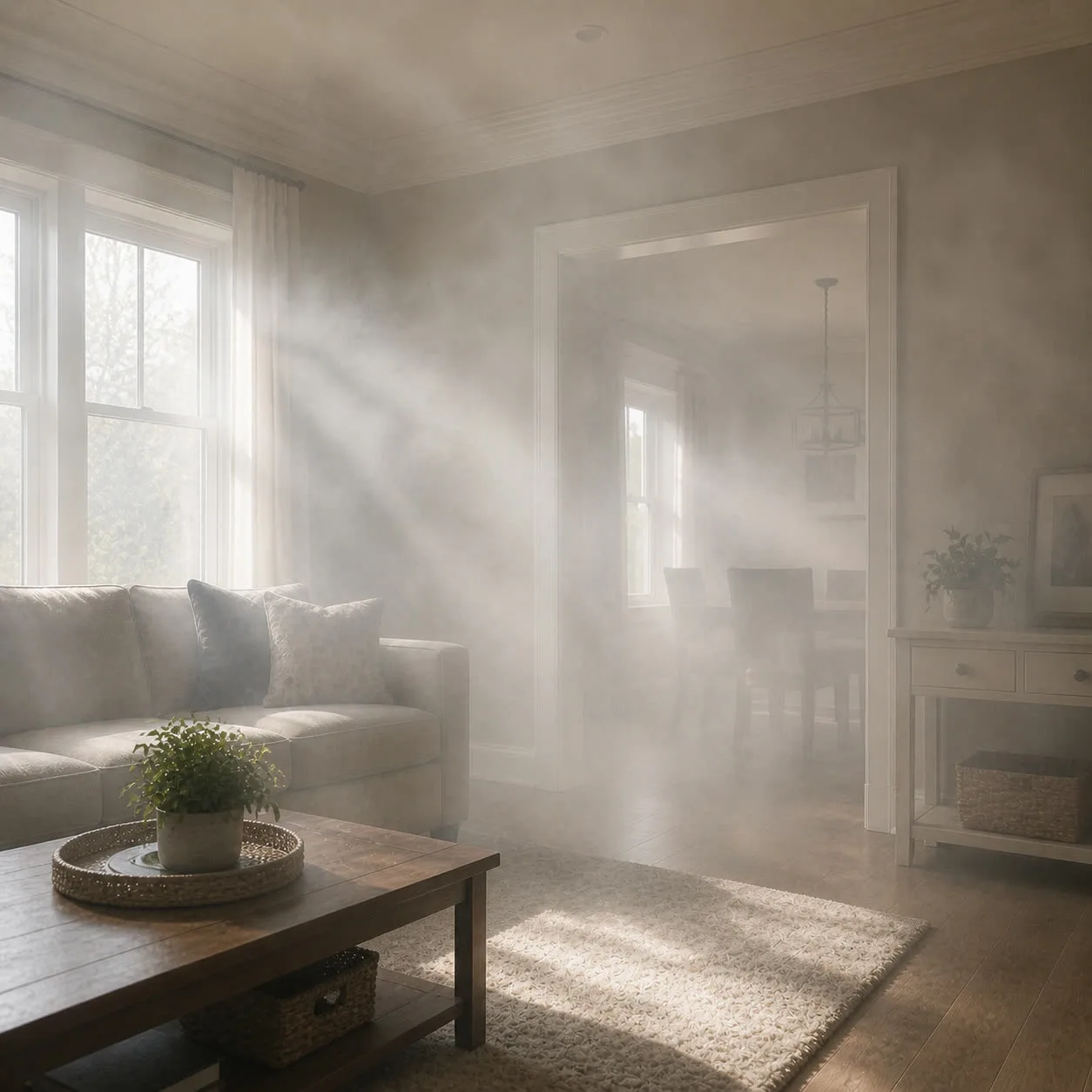
When most people think of fire damage, they picture charred materials and structural burns. But smoke damage often affects a larger area than the fire itself. Smoke travels through HVAC systems, seeps into wall cavities, and embeds itself in porous materials like drywall, insulation, carpet, and upholstery. It leaves behind acidic soot that continues corroding metal, glass, and plastic long after the fire is out.
Smoke damage restoration addresses these hidden threats. Professionals use thermal foggers, ozone generators, and hydroxyl machines to neutralize smoke particles at the molecular levelnot just mask odors. Soot removal requires different techniques depending on the material: dry sponges for walls, HEPA vacuums for textiles, and specialized chemical cleaners for synthetics. Without proper fire smoke odor removal, residues will continue to damage materials and affect indoor air quality for months.
The water used to extinguish the fire adds another layer. Suppression water soaks into flooring, subfloors, and framing, creating conditions for mold growth within 2448 hours. That's why comprehensive fire and smoke restoration services include moisture detection, extraction, and structural drying as part of the standard protocol.
The Fire and Smoke Restoration Process: What IICRC
Certification Covers
IICRC certification establishes industry standards for fire and smoke damage restoration. Certified technicians follow a structured process designed to restore properties safely and completely:
Assessment and Documentation: Technicians inspect the entire propertynot just the burn areato identify smoke migration, soot types (wet, dry, protein, or fuel-oil), water damage, and structural compromise. This documentation is critical for insurance claims.
Emergency Stabilization: Tarping roofs, boarding windows, and securing the property prevent further damage from weather, vandalism, or animals.
Water Removal and Drying: If suppression water is present, extraction begins immediately, followed by dehumidification and air movement to dry structural materials. This often runs parallel to smoke cleanup and may require separate water damage restoration protocols.
Soot and Smoke Removal: Using specialized equipment, technicians clean all affected surfaceswalls, ceilings, floors, contents, and HVAC ducts. Different soot types require different approaches; protein residue from kitchen fires, for example, is nearly invisible but produces strong odors that require enzymatic cleaners.
Deodorization: Professional-grade air scrubbers, thermal fogging, and ozone or hydroxyl treatments neutralize smoke odor molecules embedded in materials. Surface cleaning alone won't eliminate these odors.
Restoration and Reconstruction: Depending on damage severity, this ranges from minor repairs (replacing drywall, repainting) to major reconstruction (framing, roofing, electrical). Licensed contractors coordinate trades to return the property to pre-loss condition.
How Long Does Fire and Smoke Restoration Take?
The timeline for fire damage restoration varies based on fire size, smoke spread, water involvement, and structural damage. A small kitchen fire with localized smoke might be restored in 37 days. A whole-house fire requiring reconstruction can take 612 weeks or longer.
Here's what affects the timeline:
Severity of Damage: Minor soot and odor cleaning is faster than full structural rebuilding.
Water Damage: If fire suppression soaked floors, walls, or insulation, drying adds 35 days before reconstruction can begin.
Contents Restoration: Cleaning or replacing furniture, electronics, and personal items happens off-site and runs parallel to structural work.
Permitting and Inspections: Major reconstruction requires building permits and inspections, adding days or weeks depending on local jurisdiction requirements.
Insurance Processing: Adjuster visits, approvals, and claim negotiations can delay work if not managed proactively.
Restoration companies coordinate these phases to minimize downtime. The faster you call for professional fire and smoke restoration in Wichita, the less secondary damage occurs and the shorter the overall timeline.
Fire and Smoke Restoration in Wichita and South-Central
Kansas
Wichita's mix of older homes, commercial buildings, and newer developments each present unique fire restoration challenges. Older properties often have plaster walls and hidden voids where smoke travels undetected. Newer builds with open floor plans and central HVAC systems can see smoke spread rapidly throughout the structure.
Local restoration professionals understand regional building codes, common construction types, and how Kansas humidity affects drying timelines. They also coordinate with Wichita-area insurance adjusters regularly, which streamlines claims processing and reduces delays. Whether the fire originated in a residential kitchen, a commercial warehouse, or an outbuilding, working with a certified local team ensures the restoration meets both industry standards and municipal requirements.
Frequently Asked
Questions
What does fire and smoke restoration involve?
Fire and smoke restoration involves cleaning soot and smoke residue, removing odors, drying water damage from fire suppression, and repairing or rebuilding damaged structures. IICRC-certified professionals assess the full scope of damageincluding hidden smoke migrationand use specialized equipment like thermal foggers, ozone generators, and industrial dehumidifiers to restore properties to pre-loss condition.
How long does fire and smoke restoration take?
Fire and smoke restoration typically takes 37 days for minor fires with limited smoke spread and 612 weeks for whole-house fires requiring structural reconstruction. Timeline depends on damage severity, water involvement, permit requirements, and insurance processing. Immediate professional response reduces secondary damage and shortens overall restoration time.
Does insurance cover smoke damage?
Most homeowners and commercial property insurance policies cover smoke damage restoration when caused by a covered peril like fire. Coverage typically includes soot cleaning, odor removal, water damage from suppression, structural repairs, and contents restoration. Policies vary, so review your coverage limits, deductibles, and exclusions. Documentation from IICRC-certified restorers strengthens claims.
Can smoke damage be fully restored?
Yes, smoke damage can be fully restored when addressed promptly by certified professionals. Advanced deodorization techniques like hydroxyl treatments and thermal fogging neutralize smoke molecules at the source. However, delays allow acidic soot to corrode materials and odors to penetrate deeper, making full restoration more difficult and expensive. Immediate professional intervention ensures the best outcomes.
What is the difference between fire damage and smoke damage restoration?
Fire damage restoration addresses burned materials, charred structures, and heat-related destruction requiring replacement or rebuilding. Smoke damage restoration focuses on cleaning soot residue, removing embedded odors, and treating materials affected by smoke migrationoften in areas untouched by flames. Most fire incidents require both types of restoration, plus water damage restoration from suppression efforts.
Ready to Restore Your Property After Fire or Smoke Damage?
Fire and smoke damage doesn't stop spreading once the flames are out. Soot, odor, and water damage continue affecting your property until professionals intervene. Good To Be Clean provides IICRC-certified fire and smoke restoration services throughout Wichita, Butler County, and surrounding south-central Kansas communities. Our team handles the complete restoration processfrom emergency stabilization and soot removal to structural repairs and insurance coordination.
Call (316) 320-6767 today for a comprehensive damage assessment. We'll walk you through the restoration timeline, work directly with your insurance carrier, and return your property to safe, clean condition.
For water damage restoration in Wichita, call (316) 320-6767 right now. We also provide mold remediation, air duct cleaning, carpet cleaning, soda blasting, and vapor barrier installation throughout Wichita and Sedgwick County.