Homeownership is one of the biggest investments most people make, and protecting that investment requires consistent care and smart decision-making. Home restoration plays a critical role in maintaining both the safety and long-term value of a property, especially when damage from water, mold, fire, or everyday wear is involved. Restoration goes beyond surface-level cleaning or cosmetic upgrades—it focuses on repairing, preserving, and improving the structure and systems that keep a home functional. Understanding how restoration impacts property value helps homeowners make informed choices before small problems become costly repairs. Whether you plan to sell your home in the future or simply want to maintain a safe living environment, knowing the right restoration strategies can make a significant difference.
Understanding the Difference Between Restoration and Renovation
Restoration and renovation are often confused, but they serve different purposes. Restoration focuses on repairing damage and returning a home to its original, safe condition. Renovation, on the other hand, typically involves updating or changing a space for aesthetic or functional improvements. Knowing the difference helps homeowners invest wisely.
Restoration addresses underlying issues such as water intrusion, structural wear, mold growth, or fire damage. These problems can reduce property value if left unresolved. Renovation may improve appearance, but it cannot compensate for unresolved damage beneath the surface.
From a value perspective, restoration is often the first priority. Buyers and inspectors look for sound structures, clean air quality, and evidence that a home has been properly maintained. Addressing damage early prevents further deterioration and preserves long-term equity.
Addressing Water Damage Before It Spreads
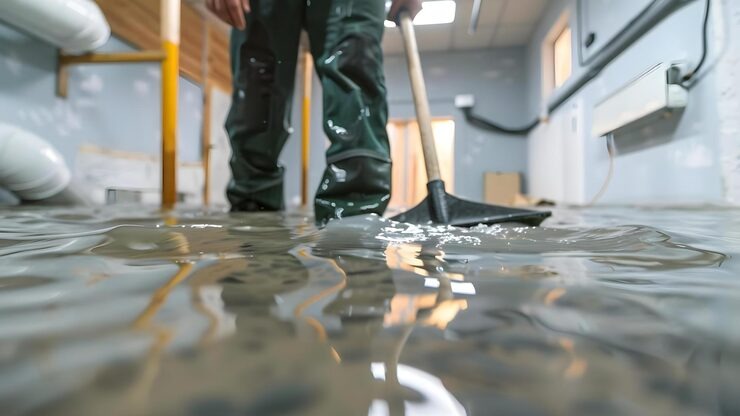
Water damage is one of the most common and destructive issues homeowners face. Leaks, flooding, or moisture buildup can weaken materials and create ideal conditions for mold growth. Acting quickly reduces repair costs and protects structural integrity.
Even minor water intrusion can damage flooring, drywall, and insulation over time. Hidden moisture may go unnoticed until odors or stains appear. Regular inspections of plumbing, roofs, and foundations help catch issues early.
Professional restoration ensures affected areas are properly dried, cleaned, and repaired. This approach prevents recurring damage and reassures future buyers that the property has been responsibly maintained.
Preventing Mold Growth to Maintain Indoor Air Quality
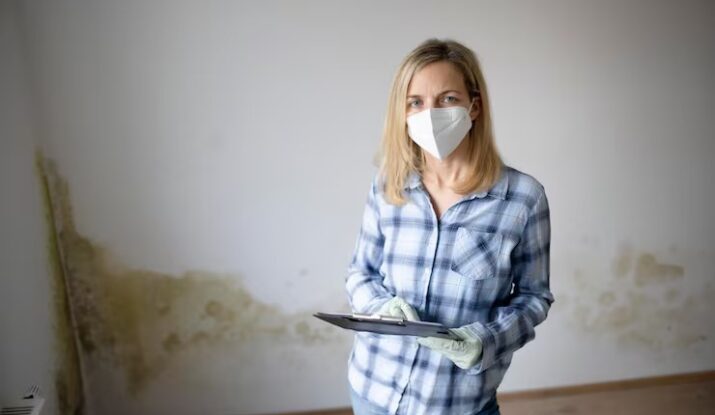
Mold growth impacts more than appearance—it directly affects indoor air quality and health. Homes with mold issues often see reduced market value due to health concerns and repair costs. Effective home restoration includes identifying moisture sources and eliminating mold at its root.
Mold commonly develops in basements, bathrooms, and areas with poor ventilation. Long-term exposure can lead to respiratory irritation and unpleasant odors. These signs raise red flags during inspections.
Proper restoration involves safe removal, thorough cleaning, and moisture control. Addressing mold promptly protects both occupants and the home’s reputation, making the property more appealing and trustworthy to potential buyers.
Restoring Fire and Smoke-Damaged Areas
Fire and smoke damage can significantly reduce a home’s value if not properly addressed. Even small fires can leave behind soot, odors, and weakened materials that impact safety and appearance.
Smoke particles can penetrate walls, ceilings, and HVAC systems, causing lingering odors. These issues are difficult to eliminate without professional intervention. Ignoring them may result in long-term discomfort and decreased buyer confidence.
Comprehensive restoration focuses on cleaning, deodorizing, and repairing affected areas. By restoring structural integrity and indoor air quality, homeowners protect their investment and demonstrate responsible property care.
Maintaining Flooring, Walls, and Structural Materials
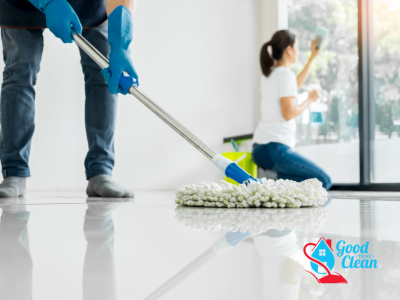
Floors and walls endure daily wear, and over time, damage becomes noticeable. Cracks, stains, and warping can signal deeper issues that affect value. Strategic home restoration helps preserve these essential elements.
Water exposure, foundation shifts, or age-related deterioration can weaken materials. Addressing these problems early prevents more extensive repairs later. Well-maintained surfaces also enhance visual appeal.
Restoration repairs ensure materials remain strong and visually consistent. This attention to detail contributes to a well-cared-for home, which positively influences appraisals and buyer perception.
Improving Energy Efficiency Through Restoration
Energy efficiency is a growing concern for homeowners and buyers alike. Restoration often uncovers opportunities to improve insulation, seal air leaks, and repair damaged systems that affect efficiency.
Moisture-damaged insulation or aging materials can increase energy costs. Restoring these areas helps regulate indoor temperatures and reduces utility expenses. Buyers increasingly value energy-conscious homes.
By restoring rather than ignoring inefficiencies, homeowners add practical value. Lower energy bills and improved comfort make a property more attractive in competitive markets.
Scheduling Regular Inspections and Preventive Care
Preventive care is one of the most effective ways to protect property value. Regular inspections identify small issues before they escalate into major problems requiring costly repairs.
Areas such as roofs, plumbing, and crawl spaces benefit from routine checks. Early detection allows for targeted restoration rather than full-scale replacement. This proactive approach saves money and preserves materials.
Consistent maintenance also creates documentation that reassures buyers. A home with a clear history of care reflects responsibility and long-term value.
Choosing Professional Restoration Services
Professional restoration services provide expertise, equipment, and experience that DIY solutions often lack. Trained technicians understand how to assess damage accurately and apply effective solutions.
Attempting repairs without proper knowledge may leave hidden issues unresolved. Professional work ensures compliance with safety standards and long-term durability.
Working with experienced providers helps homeowners restore confidence in their property. Quality restoration supports value retention and reduces the likelihood of recurring problems.
Conclusion
Protecting and increasing property value requires more than cosmetic upgrades—it demands thoughtful care and timely repairs. From addressing water and mold issues to improving energy efficiency and structural integrity, restoration plays a vital role in maintaining a safe, valuable home. Strategic home restoration helps prevent small problems from becoming major setbacks while enhancing buyer confidence. For homeowners in El Dorado seeking reliable restoration support, Good To Be Clean offers professional services designed to protect your investment. Our experienced team focuses on thorough care, long-term results, and dependable solutions. To learn more or schedule a consultation, contact Good To Be Clean today at (316) 320-6767 and take the next step toward preserving your home’s value.