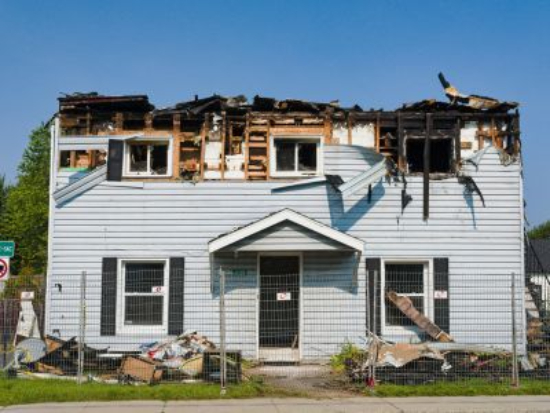
Property damage can disrupt daily life and business operations in ways many people are not prepared for. From unexpected water intrusion to lingering smoke odors or hidden mold growth, restoring a property requires careful planning, skilled execution, and timely action. Home restoration plays a critical role in returning damaged spaces to a safe, functional, and comfortable condition while protecting long term property value. This topic matters because delays or improper handling can lead to higher repair costs, health concerns, and extended downtime. Understanding how professional restoration works empowers property owners to make informed decisions when damage occurs. Whether you manage a household or operate a commercial space, knowing what to expect from restoration services helps reduce stress, improve outcomes, and ensure the recovery process is handled with precision and care.
Understanding the Scope of Professional Property Recovery
Property recovery involves much more than surface level repairs. It begins with a thorough assessment to identify visible and hidden damage, followed by a structured plan to stabilize the space. Moisture detection, air quality evaluation, and material testing are often part of the early stages. These steps ensure that underlying issues are addressed rather than covered up.
Restoration professionals focus on preserving as much of the original structure as possible while removing compromised materials. This balanced approach reduces waste and helps maintain the integrity of the property. It also allows for targeted repairs instead of unnecessary replacements.
For both residential and commercial properties, this process minimizes disruption. Businesses can plan phased work to reduce downtime, while homeowners can maintain safety throughout the project. A comprehensive scope ensures that recovery efforts are efficient, compliant, and long lasting.
Why Timely Response Matters After Property Damage
Time is one of the most critical factors after damage occurs. Water can seep into walls and flooring within hours, while mold can begin developing in as little as one to two days. Smoke residues may continue to corrode surfaces and impact indoor air quality if not addressed promptly.
A rapid response helps contain the affected area and prevents secondary damage. Early drying, cleaning, and stabilization reduce the likelihood of structural weakening and microbial growth. This proactive approach often results in lower overall repair costs.
Quick action also provides peace of mind. Property owners gain clarity on the extent of the damage and the steps required to restore normal conditions. Addressing issues early allows restoration teams to work more efficiently and with fewer complications.
Residential Restoration Needs and Considerations
Homes present unique challenges because they are personal spaces where comfort and safety are paramount. Restoration in residential settings often focuses on minimizing disruption to daily routines while ensuring thorough repairs. Kitchens, bathrooms, and living areas may require specialized attention due to plumbing systems and frequent use.
Professionals take care to protect unaffected areas during the process. Containment barriers and controlled work zones help maintain cleanliness and safety. This approach allows families to remain in their homes when possible.
Effective home restoration in residential properties also considers long term livability. Materials are selected for durability, and repairs are performed with attention to detail. The goal is not only to fix damage but to restore confidence in the space as a safe and welcoming environment.
Commercial Property Restoration and Business Continuity
Commercial properties demand a restoration strategy that prioritizes operational continuity. Offices, retail spaces, and industrial facilities often require phased work schedules to keep essential functions running. Clear communication and planning are vital throughout the process.
Restoration teams coordinate closely with property managers to meet regulatory requirements and safety standards. This includes addressing electrical systems, HVAC components, and structural elements that support daily operations. Proper documentation is also important for insurance and compliance purposes.
By focusing on efficiency and precision, restoration work helps businesses resume normal activities sooner. A well managed recovery process protects revenue, employee safety, and customer trust while ensuring the property meets professional standards.
Health and Safety Factors in Restoration Projects
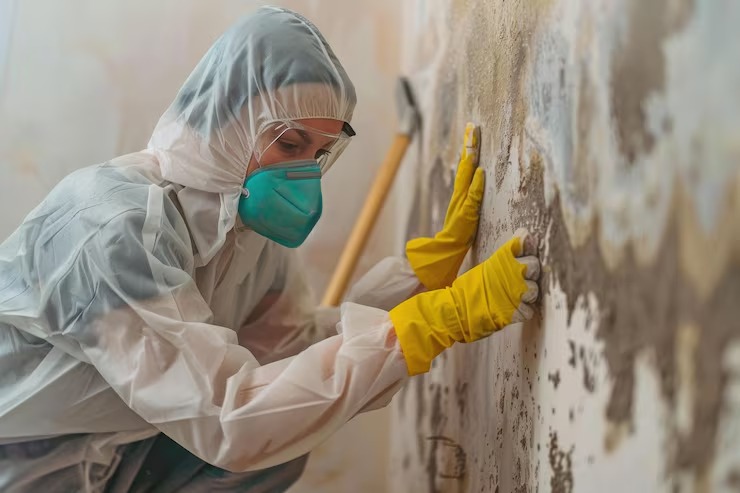
Health considerations are central to any restoration effort. Water damage can lead to microbial growth, while smoke and soot may introduce harmful particles into the air. Addressing these risks requires specialized equipment and trained professionals.
Air filtration systems, protective gear, and controlled removal methods help safeguard occupants and workers. Thorough cleaning and sanitization ensure that restored spaces are not only visually appealing but also safe to occupy.
A comprehensive home restoration approach prioritizes indoor air quality and material safety. By eliminating contaminants and preventing recurrence, restoration work supports long term wellness for residents and employees alike.

The Role of Technology and Expertise in Restoration
Modern restoration relies heavily on advanced technology to deliver accurate results. Moisture meters, thermal imaging, and air quality monitors allow professionals to detect issues that are not visible to the naked eye. These tools support informed decision making throughout the project.
Expertise is equally important. Trained technicians understand how different materials respond to damage and which methods are most effective for recovery. Their experience helps prevent common mistakes that can lead to future problems.
Combining technology with skilled workmanship ensures that restoration efforts are thorough and reliable. This integrated approach improves outcomes and provides property owners with confidence in the finished results.
Planning for Long Term Property Protection
Restoration is also an opportunity to strengthen a property against future incidents. Identifying vulnerabilities such as poor drainage, aging materials, or ventilation issues can help prevent repeat damage. Preventive recommendations often follow the completion of restoration work.
Property owners benefit from guidance on maintenance practices and early warning signs. Regular inspections and timely repairs reduce the likelihood of major disruptions down the line.
A thoughtful home restoration process looks beyond immediate repairs. By addressing root causes and improving resilience, it supports long term property performance and peace of mind.
Conclusion
Recovering from property damage requires careful coordination, skilled professionals, and a clear understanding of the restoration process. From early assessment and timely response to health focused practices and long term planning, each stage plays a vital role in successful recovery. Effective home restoration helps protect property value, supports occupant safety, and restores normalcy with minimal disruption. For residents and businesses in el dorado, working with a trusted provider ensures that every detail is handled with care and professionalism. Good To Be Clean is committed to delivering reliable restoration services that prioritize quality and clear communication. If your property needs expert attention, contact Good To Be Clean at (316) 320-6767 to discuss your restoration needs and begin the path to recovery with confidence.