When unexpected damage affects a home, taking the right steps early can make a major difference in the outcome. Home restoration focuses on repairing and recovering residential properties after issues such as water intrusion, mold growth, smoke impact, or structural deterioration. This process matters because damage left untreated can compromise safety, reduce property value, and create long term health concerns. Homeowners often underestimate how quickly problems can spread beneath floors, behind walls, or through ventilation systems. Understanding how professional restoration works helps residents respond with confidence instead of panic. With the right approach, damaged spaces can be stabilized, repaired, and returned to comfortable living conditions. Knowing what restoration involves allows homeowners to protect their investment and restore peace of mind after a disruptive event.
Assessing Residential Property Damage Thoroughly
A successful restoration project begins with a detailed evaluation of the affected areas. Professionals inspect both visible damage and hidden issues that may not be immediately apparent. Moisture trapped behind walls or under flooring can go unnoticed without proper tools and experience.
Accurate assessment helps determine the scope of work required. This prevents unnecessary repairs while ensuring that all compromised materials are addressed. It also allows homeowners to understand timelines and expectations before work begins.
Clear documentation during the assessment phase is essential. It supports insurance claims and provides a roadmap for restoration. By starting with a comprehensive evaluation, restoration teams can deliver effective and efficient results.
Addressing Water and Moisture Issues in Homes
Water related damage is one of the most common challenges in residential properties. Leaks, flooding, and plumbing failures can quickly weaken structural components and promote mold growth. Immediate attention is critical to limit further deterioration.
Professionals use specialized equipment to extract water and dry affected materials thoroughly. Controlled drying helps prevent warping, swelling, and long term moisture retention. This process protects the integrity of floors, walls, and cabinetry.
Effective home restoration related to water damage also includes monitoring. Moisture levels are checked regularly to confirm that drying goals are met. This careful approach reduces the risk of recurring issues and supports lasting repairs.
Managing Mold Risks in Residential Environments
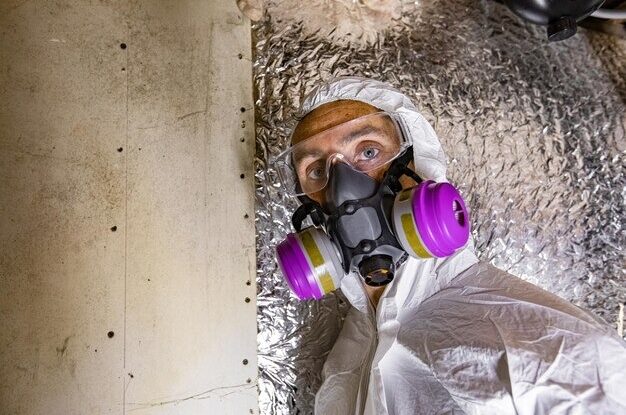
Mold presents both structural and health concerns within a home. It often develops in damp, poorly ventilated areas and can spread quickly if conditions remain favorable. Proper identification and containment are essential during restoration.
Professionals isolate affected zones to prevent cross contamination. Removal methods are selected based on the type of materials involved and the extent of growth. Air filtration systems help maintain safe indoor conditions during the process.
Beyond removal, restoration includes addressing the source of moisture. Without correcting underlying issues, mold can return. A comprehensive approach ensures that living spaces remain clean, safe, and comfortable over time.
Restoring Indoor Air Quality After Damage
Indoor air quality often suffers following property damage. Smoke residue, mold spores, and construction dust can linger long after visible repairs are completed. Restoring clean air is an important part of residential recovery.
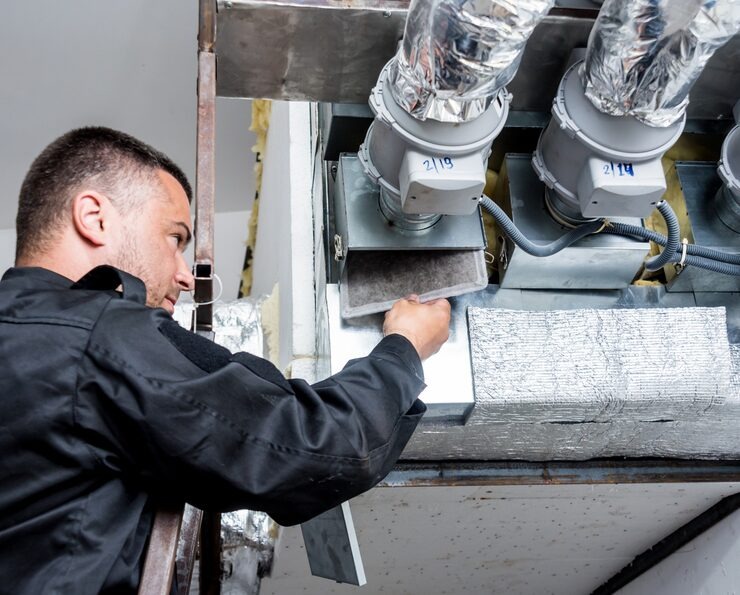
Air purification systems and thorough cleaning of surfaces and ducts help remove airborne contaminants. This improves breathing comfort and reduces irritation for occupants. Attention to ventilation systems ensures that clean air circulates properly throughout the home.
A well executed home restoration process considers air quality as a priority. Healthy indoor environments support long term wellness and make restored spaces truly livable again.

Structural Repairs and Material Replacement
Damage can compromise a home’s structural components, including framing, drywall, and subflooring. Addressing these issues requires careful planning and skilled workmanship. Restoration teams focus on stabilizing the structure before cosmetic repairs begin.
Materials that cannot be salvaged are removed and replaced with durable alternatives. Matching existing finishes helps maintain a cohesive appearance throughout the home. This attention to detail preserves both function and aesthetics.
Structural restoration is not only about repair but also reinforcement. Ensuring that rebuilt areas meet safety standards provides homeowners with confidence in the longevity of the work.
Minimizing Disruption for Homeowners
Living through a restoration project can be stressful. Professionals aim to reduce disruption by creating organized work schedules and clear communication. This helps homeowners plan around the process with minimal inconvenience.
Work zones are contained to protect unaffected areas. Noise, dust, and foot traffic are managed as carefully as possible. These measures allow families to remain comfortable during restoration when feasible.
Thoughtful project management is a key element of home restoration. Respect for the homeowner’s space and routine contributes to a smoother experience and better overall satisfaction.
Planning for Long Term Home Protection
Restoration provides an opportunity to strengthen a home against future issues. Identifying vulnerabilities such as aging materials or poor drainage can prevent repeat damage. Preventive recommendations often follow the completion of repairs.
Homeowners benefit from guidance on maintenance and early warning signs. Simple actions, such as regular inspections, can reduce the likelihood of major problems. Awareness supports proactive care.
By addressing both current damage and future risks, restoration becomes an investment in long term property health. This forward thinking approach enhances durability and peace of mind.
Conclusion
Residential restoration involves far more than surface level repairs. From thorough assessments and moisture control to air quality improvement and structural reinforcement, each step plays an important role in recovery. Effective home restoration protects safety, preserves property value, and restores comfort after disruptive events. Homeowners in el dorado can benefit from working with experienced professionals who understand the complexities of residential recovery. Good To Be Clean is dedicated to delivering reliable, detail focused restoration services designed for long term results. If your home requires professional attention, contact Good To Be Clean at (316) 320-6767 to discuss your needs and begin restoring your property with confidence.