Owning a home comes with ongoing responsibility, and recognizing early warning signs of damage can save you from costly repairs later. Home restoration plays a vital role in protecting your property’s structure, safety, and overall value. Over time, homes are exposed to moisture, weather changes, daily wear, and unexpected events that can quietly cause serious issues. Many homeowners delay action because the signs are subtle or seem minor at first. Unfortunately, small problems often grow into major concerns when left unaddressed. This article explains the most common indicators that your property may need professional attention and why timely intervention matters. Understanding these signs helps you make informed decisions, protect your investment, and maintain a healthy living environment for your family.
Structural Cracks and Shifting Foundations
Cracks in walls, ceilings, or floors are among the earliest indicators that something is wrong beneath the surface. Hairline cracks may appear harmless, but widening or spreading cracks often signal foundation movement or structural stress. Doors and windows that suddenly stick or no longer close properly can also point to shifting materials. These issues tend to worsen over time as soil conditions change and moisture accumulates around the foundation.
Ignoring structural warning signs can lead to uneven floors, weakened load-bearing walls, and potential safety hazards. Professional assessment is critical because structural damage is rarely cosmetic. Specialists can identify whether cracks stem from natural settling or more serious foundation concerns. Early repairs are generally less invasive and more affordable than extensive structural reconstruction later.
Addressing structural issues promptly helps preserve the integrity of your home and prevents secondary damage such as plumbing leaks or interior wall deterioration. Timely professional evaluation ensures that repairs target the root cause rather than temporary fixes.
Persistent Water Damage and Moisture Issues
Water is one of the most destructive elements a property can face. Stains on ceilings, bubbling paint, warped flooring, or a musty smell often indicate hidden moisture problems. Leaks may originate from plumbing systems, roofing failures, or poor drainage around the home. Even minor leaks can encourage mold growth and compromise building materials over time.
Ongoing moisture exposure weakens wood, corrodes metal, and damages insulation. Left unresolved, it can impact indoor air quality and lead to health concerns for occupants. Professional inspection helps locate hidden sources of water intrusion that are not visible to the untrained eye.
Effective moisture management involves proper drying, repair, and prevention strategies. This may include sealing entry points, improving drainage, or replacing damaged materials. Taking swift action minimizes long-term damage and protects the home’s internal systems from gradual decay.
Mold Growth and Indoor Air Quality Concerns
Visible mold spots or persistent odors often indicate deeper moisture problems within walls or ventilation systems. Mold thrives in damp environments and can spread quickly if conditions remain favorable. While small surface growth may seem manageable, underlying contamination is often more extensive.
Poor indoor air quality caused by mold can trigger allergies, respiratory irritation, and other health concerns. Professional remediation ensures that mold is safely removed and that affected materials are properly treated or replaced. Simply cleaning visible areas does not address spores hidden behind walls or beneath flooring.
Restoring a healthy indoor environment requires identifying moisture sources and correcting them permanently. Proper remediation improves air circulation, removes contaminants, and helps prevent future outbreaks. A clean, dry home environment supports both structural stability and occupant well-being.
Fire, Smoke, or Soot Residue Damage
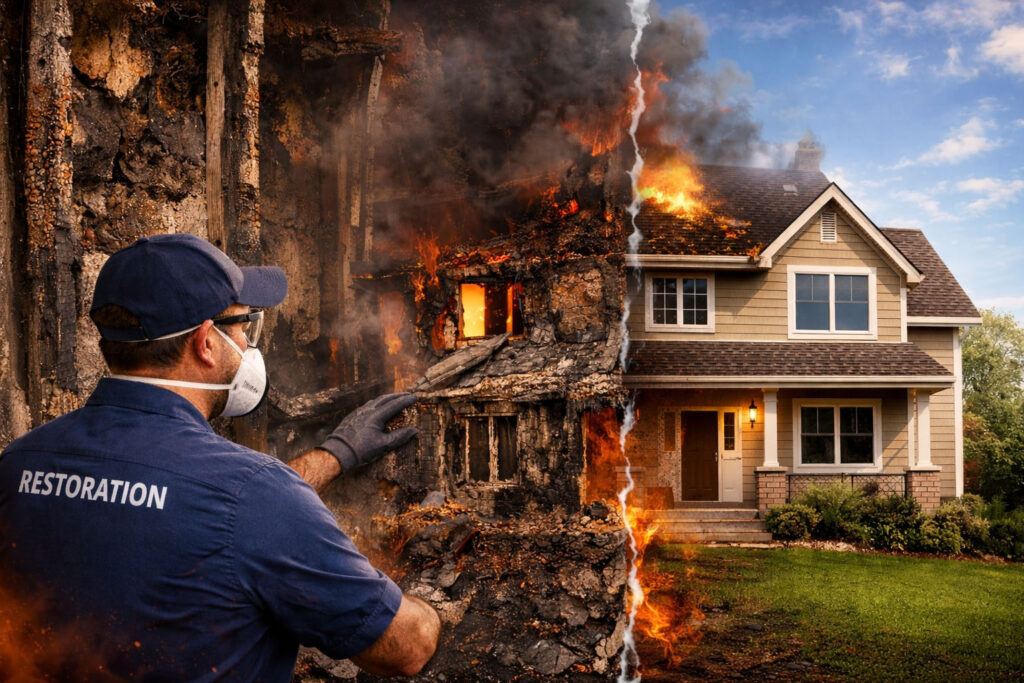
Even small fires or smoke exposure can leave lasting damage throughout a home. Soot residue often settles into walls, ceilings, furniture, and HVAC systems, creating lingering odors and discoloration. Smoke particles are acidic and can continue damaging surfaces long after the fire is extinguished.
Professional restoration addresses both visible and hidden damage. Specialized cleaning methods are required to remove soot safely and neutralize odors. Without proper treatment, smoke damage can resurface over time and affect indoor comfort.
Fire-related damage also weakens structural components and electrical systems. Thorough inspection ensures that compromised areas are repaired or replaced. Restoring fire-damaged spaces professionally helps return the home to a safe, livable condition while preventing future complications.
Aging or Deteriorating Building Materials
Over time, materials naturally degrade due to exposure and daily use. Roofing shingles may curl or crack, siding may fade or warp, and insulation can lose effectiveness. These changes often occur gradually, making them easy to overlook until problems become noticeable.
Outdated or failing materials reduce energy efficiency and increase vulnerability to weather-related damage. Professional evaluation can identify areas where replacement or reinforcement is necessary. Updating worn materials improves durability, appearance, and long-term performance.
Addressing material deterioration early helps avoid emergency repairs and preserves property value. Routine inspections and proactive upgrades ensure that aging components do not compromise the home’s overall stability.
Storm and Weather-Related Damage
Severe weather events can cause immediate and hidden damage to homes. High winds, heavy rain, and hail often impact roofing, windows, and exterior surfaces. Some damage may not be visible from ground level but can still allow moisture intrusion.
Post-storm inspections are essential for identifying compromised areas before secondary damage develops. Professionals can assess roofing integrity, exterior seals, and drainage systems. Prompt repairs prevent leaks and structural weakening.
Weather-related restoration protects the home from ongoing exposure and ensures resilience against future storms. Taking action quickly helps maintain safety and prevents escalating repair costs.
Unpleasant Odors That Won’t Go Away

Persistent odors often indicate underlying issues such as mold, smoke residue, or water damage. Air fresheners and surface cleaning may mask smells temporarily, but they do not resolve the root cause. Lingering odors can spread through ventilation systems and fabrics.
Professional treatment identifies the source and eliminates it through deep cleaning and remediation. Odor removal often involves addressing contaminated materials and improving airflow throughout the home.
A fresh-smelling home reflects a healthy environment. Eliminating stubborn odors improves comfort and ensures that hidden damage does not continue affecting indoor spaces.
When Professional Home Restoration Is Necessary
There comes a point when DIY fixes are no longer sufficient. Home restoration professionals have the tools, training, and experience to handle complex damage safely and efficiently. They assess the full extent of the problem and create a comprehensive plan to restore the property.
Professional services ensure repairs meet safety standards and prevent recurring issues. From structural repairs to environmental cleanup, expert intervention saves time and reduces long-term expenses.
Recognizing when to seek professional help protects both the property and its occupants. Early involvement leads to better outcomes and lasting results.
Conclusion
Recognizing the signs of property damage early can make a significant difference in safety, comfort, and repair costs. From structural cracks and moisture problems to fire damage and persistent odors, each warning sign points to deeper concerns that should not be ignored. Acting quickly allows professionals to address issues before they escalate into major repairs. Home restoration services provide thorough assessment, proper remediation, and long-term solutions that protect your investment. If your property in el dorado shows any of these signs, trust Good To Be Clean for reliable and professional service. For expert assistance and peace of mind, contact Good To Be Clean today at (316) 320-6767 and restore your property with confidence.